
Understanding Chondromalacia Patella: What It Is, How It’s Diagnosed, and How to Manage It
Introduction
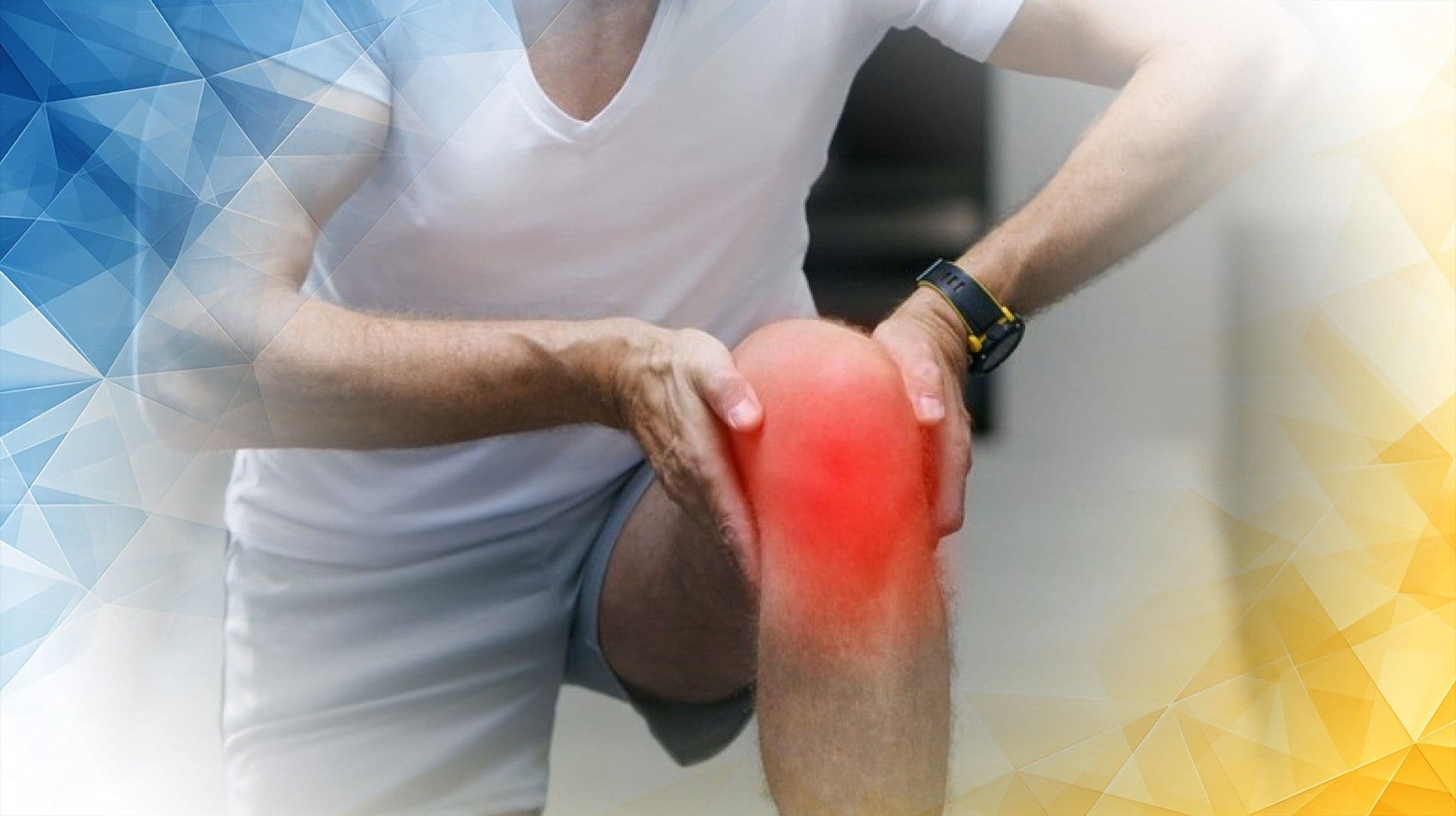
Chondromalacia patella may sound complicated, but it simply describes a condition where the cartilage under your kneecap softens or becomes damaged. This cartilage acts as a natural cushion, helping your knee glide smoothly as you move. When it begins to break down, you might notice pain, discomfort, or a grinding sensation—especially during everyday activities like walking, climbing stairs, or squatting.
It’s important to learn about this condition, especially since recent advances make early diagnosis and effective, non-surgical treatment more accessible. In this article, we’ll explore what causes chondromalacia patella , how modern imaging technology helps spot it early, and the simple yet powerful treatments and exercises that can help you manage symptoms and maintain an active lifestyle.
What’s Happening Inside the Knee? Understanding Cartilage Changes
To make sense of chondromalacia patella , it helps to get to know your knee cartilage a bit better. Cartilage is a tough yet flexible tissue—mostly made of collagen—that works as a shock absorber, preventing your bones from rubbing directly against each other.
In chondromalacia patella , this well-organized collagen network starts to deteriorate, especially near the surface closest to your kneecap . As the structure weakens and becomes disorganized, it loses strength and can’t handle stress as well as it should. This breakdown is often what leads to knee pain and makes movement more uncomfortable.
While some people wonder if knee anatomy, such as the position or height of the kneecap (a condition called patella alta), plays a role, research has shown that patella alta isn’t directly linked to chondromalacia. However, subtle differences in knee structure may still influence joint health and susceptibility to cartilage problems.
Researchers have also found that the pressure inside the bone beneath the kneecap —the so-called intramedullary pressure—may be altered in people with chondromalacia patella . Changes in this pressure can affect blood flow and nutrient delivery to both the cartilage and underlying bone, potentially making symptoms worse over time.
Free non-medical discussion
Not sure what to do next?
Information only · No medical advice or diagnosis.
Early Diagnosis: How Imaging Makes a Difference
Catching chondromalacia patella early is essential for protecting your knee and easing symptoms before the condition advances. Traditional X-rays and standard MRI scans often miss the subtle, early-stage changes happening in cartilage.
That’s where modern MRI cartilage mapping technology comes into play. This specialized scan creates a much more detailed picture of your knee cartilage , revealing areas of damage or early weakening long before they turn up on ordinary scans. With this advanced imaging, doctors can identify problems sooner and recommend more effective, targeted treatments—helping you address the condition before it limits your activity or quality of life.

Managing Chondromalacia Patella Without Surgery
There’s good news for most people—surgery is rarely needed for chondromalacia patella . The majority of those affected find real relief through non-surgical treatments, with physiotherapy playing a starring role.
Physical therapists usually focus on exercises to strengthen the muscles supporting your knee , especially the quadriceps on the front of your thigh. Stronger muscles keep your kneecap in better alignment and reduce pressure on the damaged cartilage. Gentle squats, straight leg raises, and hip-strengthening exercises are some of the most commonly recommended moves. These can often be done at home, either on your own or with professional guidance. The UK’s National Health Service (NHS) and many physiotherapists suggest these exercises as safe and effective ways to help your knee recover .
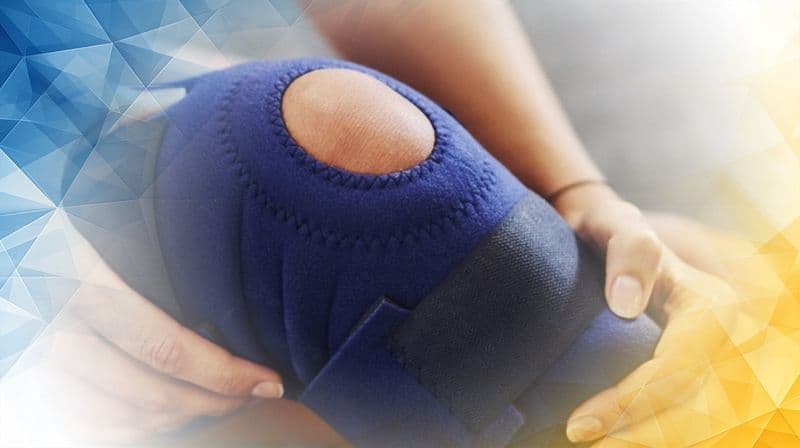
In addition to exercises, simple strategies like resting your knee during painful flare-ups, applying ice, and avoiding activities that trigger pain can help manage discomfort and speed recovery.
Although living with chondromalacia patella can be frustrating, a thoughtful treatment plan and expert support often make it possible to regain mobility and significantly reduce pain.
Conclusion
Chondromalacia patella is a condition resulting from changes and weakening of the cartilage beneath your kneecap, which can cause pain and difficulty with movement. Thanks to breakthroughs like MRI cartilage mapping, healthcare providers can now detect these changes much earlier and recommend more tailored care.
For most people, conservative treatments—especially targeted physiotherapy and specific exercises—offer the best route to managing symptoms and restoring knee function. With an early diagnosis and a personalized plan, living an active, pain-free life with chondromalacia patella is absolutely possible.
If you’re experiencing knee pain or think you might have chondromalacia patella , don’t hesitate to see a healthcare professional. Early attention can make all the difference in your recovery journey.
References
Wiles, P., Andrews, P. S., & Bremner, R. (1960). Chondromalacia of the patella. Journal of Bone and Joint Surgery - British Volume, 42-B(1), 65-70. https://doi.org/10.1302/0301-620x.42b1.65
Marks, K. E., & Bentley, G. (1978). Patella alta and chondromalacia. Journal of Bone and Joint Surgery - British Volume, 60-B(1), 71-73. https://doi.org/10.1302/0301-620x.60b1.627582
Legal & Medical Disclaimer
This article is written by an independent contributor and reflects their own views and experience, not necessarily those of London Cartilage Clinic. It is provided for general information and education only and does not constitute medical advice, diagnosis, or treatment.
Always seek personalised advice from a qualified healthcare professional before making decisions about your health. London Cartilage Clinic accepts no responsibility for errors, omissions, third-party content, or any loss, damage, or injury arising from reliance on this material.
If you believe this article contains inaccurate or infringing content, please contact us at [email protected].
London Cartilage Clinic
Modern treatments, designed for lasting knee outcomes
Every treatment plan is selected to help you return to the quality of life you deserve. Our team combines up-to-date techniques with consultant-led decision making across cartilage repair, regeneration and replacement.
What your journey can look like
Step 01
Consultant-Led Assessment
Symptoms, imaging and goals reviewed in one structured appointment.
Step 02
Personalised Treatment Plan
A clear route chosen from repair, regeneration or replacement options.
Step 03
Precision Delivery
Modern techniques and specialist equipment matched to your diagnosis.
Step 04
Long-Term Knee Health
Follow-up guidance focused on durable function and quality of life.
Will the Arthrosamid work for me
PAAG-8+ Questionnaire
A bright, structured entry point for patients exploring Arthrosamid. The questionnaire helps frame suitability, expectations, and 24-month clinical benefit discussion before a fuller consultant-led review.
Designed for shared decision-making. It does not replace specialist consultation, examination, imaging review, or formal medical advice.